

6 Tips for Preserving Worker Safety in the Construction Industry
|
Over more than 1.3 million people are employed in the construction sector, which equates to 10% of all jobs in the South Africa. Because of the nature of the work, it's one of the riskiest occupations in the South Africa, with workers more likely to experience falls, equipment failures, electrocutions, falling objects, and structural collapses, to name a few.
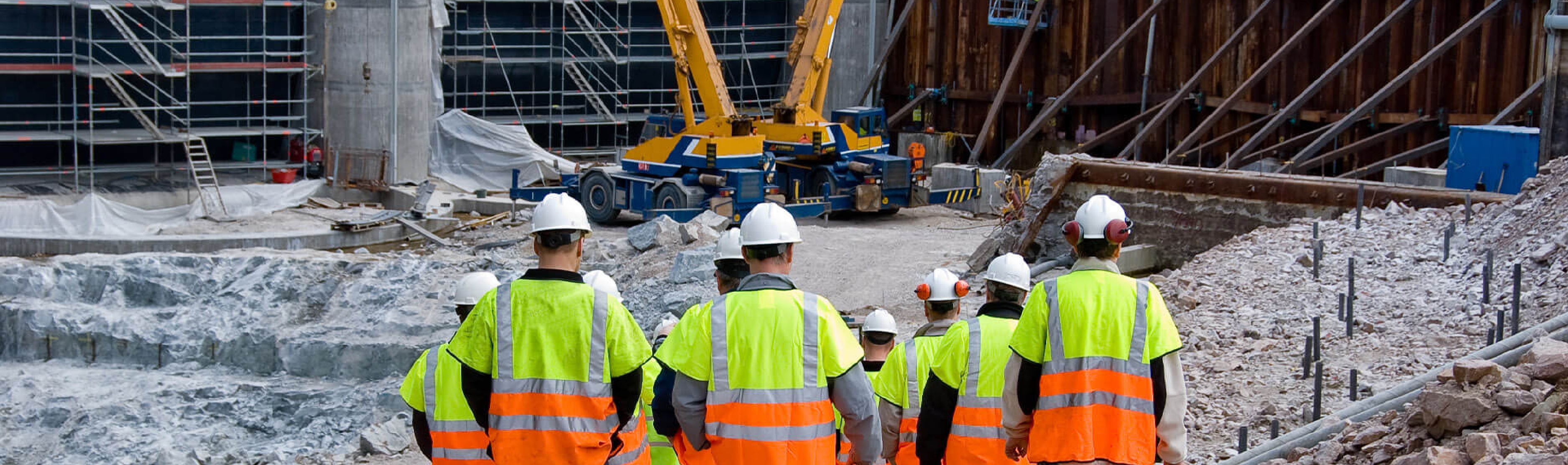
1. Make sure employees are dressed appropriately (PPE)Wearing the appropriate personal protective equipment (PPE) could make the difference between a short-term injury and a fatality. It's critical to outfit your staff with PPE that is appropriate for the kind of work being done.This can include knee pads, safety goggles, helmets, earplugs, and high-visibility clothing. If they become worn or inadequate for purpose, they need to be changed quickly. Make sure they wear them, too. 2. Construct and maintain scaffolding properlyThere shouldn't be any improvisations or short cuts when installing scaffolding. To completely eliminate the chance of it collapsing, it should be constructed on level ground with sturdy footing. Maintain the structure and correct any flaws or damage, and make sure that all workers using the scaffolding have received accredited scaffolding training. 3. Health and safety trainingConstruction employees must possess the necessary health and safety training to operate in high- and medium-risk areas. They should be completely capable and conscious of the dangers involved in their employment, particularly while working at heights, around machinery, or in small places.They should also be knowledgeable about first aid and capable of performing simple life-saving procedures as necessary. 4. Safety signageThere are several potential risks at construction sites for both visitors and workers. Signs and posters should be used to draw attention to any dangers and advise everyone close to take precautions. Signs are a low-cost method of preventing accidents since they can warn of hazards including falling objects, turning heavy vehicles, or the presence of gas or chemicals. 5. Check your tools and equipmentTo be productive and complete their tasks, construction workers depend on their tools. There are greater chances of major accidents, including limb loss, if their tools are defective or hazardous. To check for malfunctions or problems, equipment should undergo routine inspections. Both the employee and the employer are required to bring up problems with faulty equipment. 6. CommunicationA key element in ensuring the safety of employees is communication. If employees spot possible dangers, they should share them with one another and any other interested parties. Those who are working on-site should be aware of any possible hazards already present as well as be cautious of other threats. Employees should have the chance to report any incidents or near-misses and should frequently be asked how they believe their employment may be made safer. |

 Talk to us!
