Understanding Heat Exhaustion:
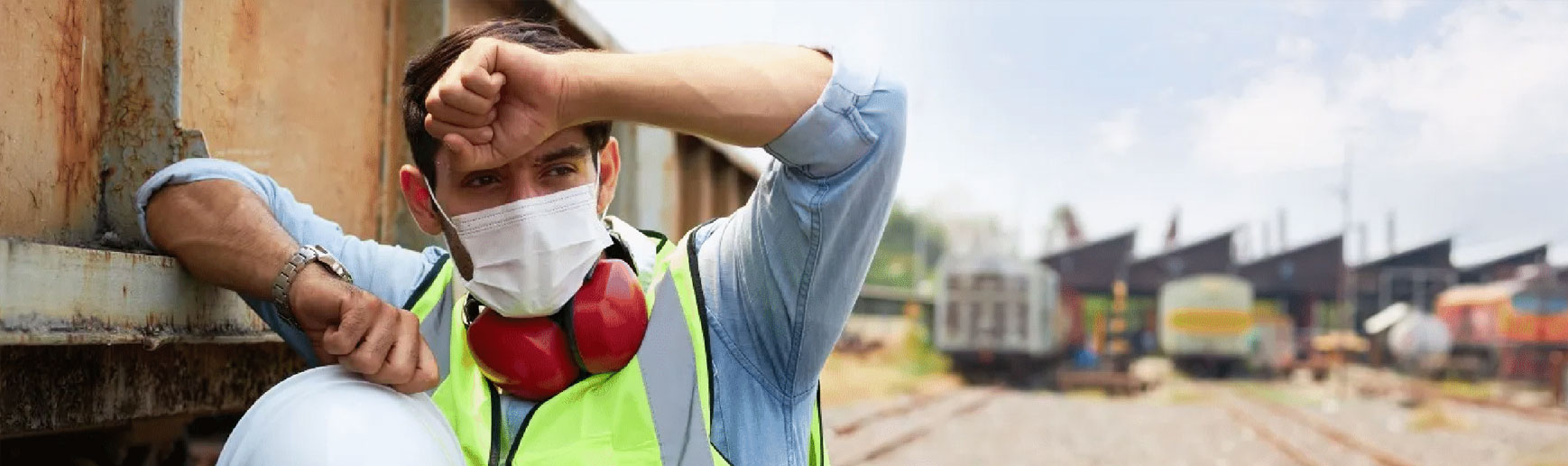
Heat exhaustion arises when the body struggles to dissipate excess heat, leading to a rise in body temperature, increased heart rate, and a range of symptoms, including sweating abnormalities, dizziness, and even collapse.
Factors Contributing to Heat Exhaustion:
Construction workers, particularly those engaged in strenuous outdoor activities, face a heightened risk of heat exhaustion. Several factors contribute to this, such as high outdoor temperatures, layered clothing and personal protective equipment (PPE), dehydration, low urination, high humidity, direct sunlight exposure, the intensity of work, and working in non-air-conditioned spaces.
Heat-Related Illnesses and their Symptoms:
Untreated heat exhaustion can escalate into severe heat-related illnesses, including heat cramps, heat exhaustion, and the most critical, heat stroke.
- Heat Cramps: Painful muscle cramps, often occurring during or after work, affecting frequently used muscles like calves, hamstrings, hands, or lower back.
- Heat Exhaustion: The body's response to excessive water and salt loss, leading to symptoms such as excessive thirst, headache, weakness, and, if unaddressed, loss of consciousness.
- Heat Stroke: A breakdown of the body's temperature control system, potentially causing organ and brain damage, and even death. Symptoms include fainting, high body temperature, lack of sweating, vomiting, and confusion.
Basic Chemistry of Heat Illnesses:
Understanding the basic chemistry involved in heat illnesses is crucial. Water and salt go hand in hand in the body. Sweat always contains a percentage of both, and when more water leaves the body than is replenished, dehydration occurs. This sodium deficit can manifest as muscle cramps, fatigue, and headaches.
Warning Signs of Heat Exhaustion:
Keep a vigilant eye for signs of dehydration, such as excessive thirst, persistent headaches, and muscle cramps. Failure to address these symptoms promptly may lead to more severe conditions like heat exhaustion or heat stroke.
Treating Heat Exhaustion:
In case of anyone displaying symptoms of heat-related illnesses, immediate action is necessary. Stop the person from working, move them to a shaded area, and encourage the intake of clear fluids, including water and electrolyte replacement drinks like Pedialyte or Powerade. If recovery occurs, it's advisable to send them home for the day. However, if symptoms persist or worsen, call 084124 and move the individual to an air-conditioned space if possible.
Preventing Heat Exhaustion – Best Practices:
To mitigate the risk of heat exhaustion on construction sites, follow these prevention tips:
- Stay Hydrated: Drink more fluids than you think you need, as waiting until you're thirsty indicates dehydration has already set in.
- Take Breaks: Schedule frequent breaks in shaded or air-conditioned areas.
- Allow Adaptation Time: Allow the body to acclimatize to hot environments, especially for newcomers.
- Adjust Work Time: Consider adjusting the start time of construction work to avoid the hottest part of the day.
Taking heat exhaustion seriously is crucial for the well-being of construction workers. Toughing it out may seem admirable, but it can have serious consequences. Always be vigilant, have a plan, and be prepared to act swiftly to ensure the safety of everyone on the construction site. In emergencies, don't hesitate to call 084124 for immediate assistance.
For more information on how Zenith Safety Consultants can help your business, please contact us at This email address is being protected from spambots. You need JavaScript enabled to view it. or call 021 010 0290.


 Talk to us!
