In this blog post, we aim to equip you with the knowledge and strategies required to lift heavy objects safely and effectively. You'll discover step-by-step approaches, the significance of proper body mechanics, and techniques to reduce the risk of injury. This information isn't just vital for individuals in physically demanding occupations but also for everyone's daily routines. Let's take charge of our well-being by mastering the art of lifting!

Safe lifting techniques hold immense importance in preventing injuries and safeguarding the well-being of individuals, particularly in work environments where lifting is a common task. Here are several reasons why safe lifting techniques are indispensable:
Injury Prevention: The foremost reason for adopting safe lifting techniques is to prevent injuries. Improper lifting practices can result in muscle strains, sprains, and ligament tears, with the back being particularly susceptible. Lower back pain and injuries often stem from poor lifting habits.
Long-Term Health: Consistent use of improper lifting methods can have lasting impacts on an individual's health. Chronic back pain and musculoskeletal disorders may develop over time. By adhering to safe lifting techniques, individuals can uphold their long-term health and sidestep complications later in life.
Enhanced Productivity: Practicing safe lifting techniques reduces the likelihood of injuries, translating into fewer workdays lost due to injuries. This, in turn, enhances workplace productivity. Moreover, lifting objects safely and efficiently can expedite tasks and render them more manageable.
Cost Reduction: Injuries resulting from improper lifting can lead to substantial medical expenses, workers' compensation claims, and legal fees for employers. By curbing injuries through safe lifting practices, individuals and companies can mitigate unnecessary costs.
Empowerment and Self-Efficacy: Educating individuals on proper lifting techniques empowers them to take charge of their health and safety. This sense of self-efficacy can permeate various aspects of life as individuals recognize the value of mindful practices.
Safe lifting techniques are fundamental to personal and occupational health and safety. They are indispensable for preventing injuries, promoting long-term well-being, enhancing productivity, and safeguarding financial health for both individuals and organizations.

Understanding and implementing proper lifting techniques are essential to prevent injuries and strains when handling heavy objects. Below is a comprehensive guide on how to lift heavy objects safely:
- Clear the Path: Before lifting, ensure the pathway is free of obstacles to prevent tripping hazards and maintain balance while carrying the load. Clear any clutter that could cause you to lose balance or drop the object, potentially leading to injury.
- Plan Resting Points: For heavy objects lifted over a distance, plan resting points to readjust your grip or take breaks. Position sturdy surfaces along the route to temporarily set down the object, reducing fatigue and minimizing the risk of dropping it.
- Keep the Load Close and Balanced: Maintain the heavy load close to your waist with the heaviest side next to your body to minimize strain. Distribute the weight evenly to reduce muscle strain and improve control during lifting.
- Adopt a Stable Position: Plant your feet shoulder-width apart with one foot slightly ahead for a stable base. Ensure comfortable clothing and proper footwear for ease of movement and grip.
- Secure Your Grip: Ensure a firm grip on the object, utilizing your arms and shoulders for support. Use gloves for slippery objects and consider asking for assistance if necessary.
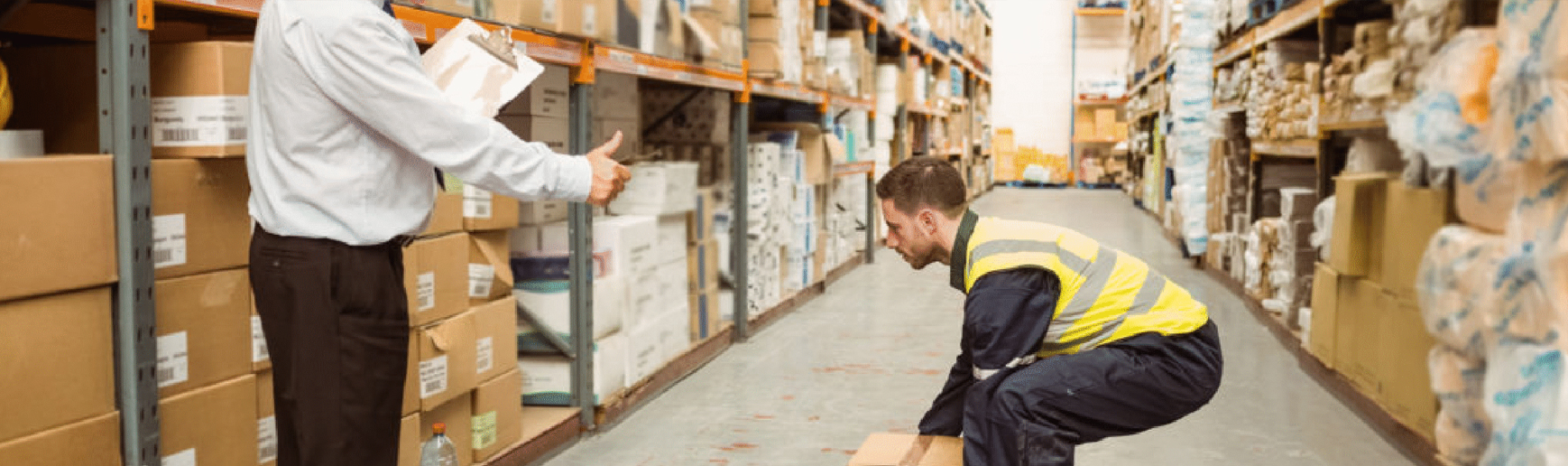
- Maintain Good Posture: Keep your back straight and bend at the hips and knees, using leg and hip muscles to lift rather than straining your back. Avoid flexing your back further during lifting.
- Avoid Twisting: Keep shoulders and hips aligned, avoiding twisting at the waist while lifting. Move your entire body rather than just your upper half to turn.
- Keep Your Head Up: Maintain a natural posture by keeping your head up and looking straight ahead while handling the object.
- Move Smoothly: Carry the object smoothly and deliberately, avoiding jerky movements that could compromise your grip and balance.
- Know Your Limits: Do not lift more than you can manage safely. Seek assistance or use lifting equipment if the object exceeds your capabilities.
- Put Down and Adjust Safely: When reaching your destination, gently lower the object by bending at the hips and knees with a straight back. Make any necessary adjustments to its placement after safely setting it down.
Common Lifting Problems and Solutions
Lifting heavy objects can pose various challenges, leading to injuries or strains if not addressed properly. Here are some common lifting problems and techniques to help you overcome them:
- Lifting with your back:
Problem: Relying primarily on back muscles when lifting puts undue stress on the spine, leading to strains and injuries.
Solution: Use leg and hip muscles for lifting, keeping the back straight to distribute the load evenly and reduce strain.
- Bending forward with straight legs:
Problem: Bending over to lift without bending knees places strain on the back and hamstring muscles, risking pulled muscles or ligament damage.
Solution: Bend knees and lower body to the object while keeping the back straight to distribute the load and prevent strain.
- Twisting while lifting:
Problem: Twisting the upper body while lifting or carrying strains the spine and surrounding muscles, risking serious injury.
Solution: Keep shoulders and hips aligned, moving the whole body in the desired direction instead of twisting at the waist.
- Lifting above shoulder height:
Problem: Lifting heavy objects above shoulder height compromises balance and strains shoulders, neck, and upper back.
Solution: Use a stool or ladder to get closer to the object and lift it close to the body to maintain balance and reduce strain.
- Carrying an item that's too heavy or large:
Problem: Underestimating the weight or size of an object leads to overexertion, risking muscle strains or falls.
Solution: Assess weight and size, seek assistance, or use lifting aids if needed to avoid overexertion and injury.
- Using a partial grip:
Problem: Lifting heavy objects with an inadequate grip increases strain on muscles and joints and raises the risk of dropping the object.
Solution: Ensure a full, firm grip or use lifting straps for large or awkward objects to maintain control and prevent accidents.
- Lifting when tired, fatigued, or injured:
Problem: Lifting heavy objects when fatigued or injured increases the risk of further injuries due to compromised muscle performance.
Solution: Recognize when rest or medical attention is needed, and avoid heavy lifting during these times to prevent exacerbating existing injuries.
- Holding your breath:
Problem: Holding breath during lifting increases blood pressure and deprives muscles of oxygen needed for exertion, risking injury.
Solution: Breathe regularly throughout the lifting process, exhaling on effort and inhaling during release to maintain oxygen flow and reduce strain.
- Moving too quickly:
Problem: Rushing through lifting and carrying increases the risk of accidents and injuries due to compromised form and awareness.
Solution: Move deliberately and carefully, paying attention to form and surroundings to ensure safety while lifting heavy objects.
By incorporating these techniques into lifting practices and promoting a safety-conscious approach, individuals can protect their well-being and promote a culture of safety in their environments. Ultimately, prioritizing proper lifting techniques contributes to a healthier and safer work and living environment for everyone involved.
For more information on how Zenith Safety Consultants can help your business, please contact us at This email address is being protected from spambots. You need JavaScript enabled to view it. or call 021 010 0290.


 Talk to us!
