
Welders on Construction Sites: Managing Fire, Fumes and Hot Work Safety Risks
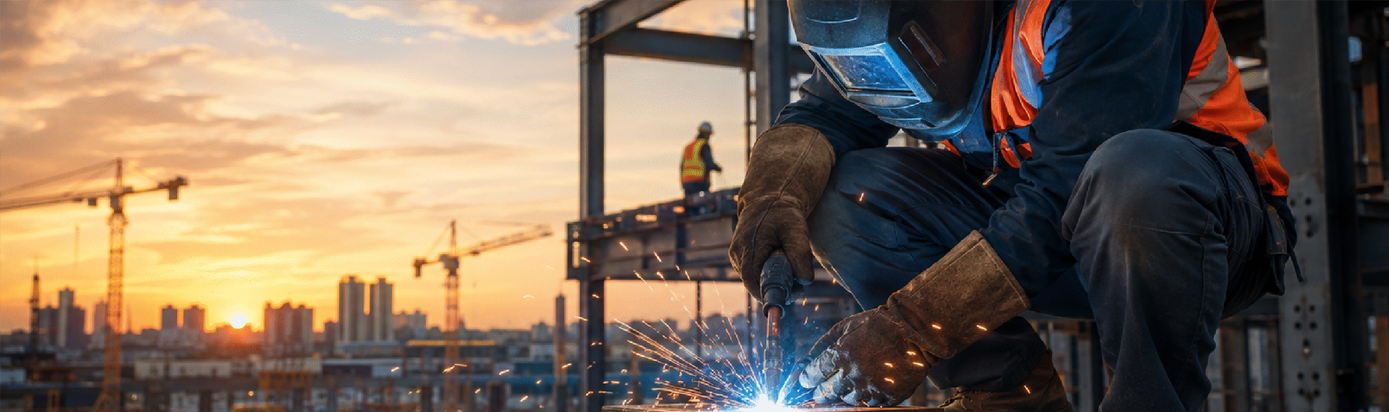
Welders play an important role on construction sites, maintenance projects, structural work, fabrication, repairs and fit-out activities. Their work is often essential for joining, strengthening, repairing and installing metal components, including structural steel, brackets, frames, gates, handrails, supports, pipework, platforms and other steel elements.
However, welding is one of the higher-risk trades on site. The work involves heat, sparks, flames, electricity, fumes, gases, pressurised cylinders, grinding, cutting, awkward work positions and fire hazards. A welding task may look controlled, but one spark, one leaking gas connection, one poor ventilation area or one unprotected worker can quickly lead to serious injury or property damage.
Welding safety must therefore be managed as a trade-specific issue. It is not only about wearing a welding helmet. It is about understanding the work, the environment, the materials, the surrounding risks and the controls required before hot work begins.
A safe welding operation starts with proper planning, competent welders, correct equipment, suitable PPE, ventilation, fire prevention, gas cylinder control, housekeeping and supervision.
|
What Do Welders Do on Construction Sites? Welders may perform a wide range of tasks depending on the type of project. Their work may include welding, cutting, grinding, brazing, soldering, fabrication, steel repairs, installation of brackets, strengthening of steel components, pipe welding, structural connections and repair of damaged metal items. Welders may work at ground level, on scaffolding, in plant rooms, inside workshops, on roofs, in basements, in ceiling areas, in confined or restricted spaces, or near other trades. They may use welding machines, grinders, cutting torches, gas cylinders, extension leads, clamps, electrodes, welding rods, screens, welding curtains, hand tools and portable electrical equipment. Because welding produces heat, light, sparks, fumes and molten metal, the surrounding area is just as important as the welding point itself. Combustible materials, flammable substances, cables, insulation, paint, dust, packaging, timber, plastic, ceiling voids and finished surfaces can all increase the risk. Welding work must be treated as hot work and must be properly planned before it starts. Common Hazards Faced by Welders Fire and Hot Work Risks Fire is one of the most serious hazards linked to welding. Sparks and hot slag can travel further than expected and may ignite combustible materials such as timber, cardboard, plastic, insulation, dust, packaging, paint products, rags or ceiling materials. A fire may not start immediately. Sparks can enter gaps, voids or hidden areas and smoulder before becoming visible later. This is why fire prevention and fire watch controls are important. Burns from Heat, Sparks and Molten Metal Welders can suffer burns from hot metal, sparks, slag, flames, welding rods, heated tools and recently welded components. Materials may remain hot after welding has stopped, creating a risk for the welder and other workers who may touch the item. Burns can affect the hands, arms, face, neck, eyes and body if workers are not properly protected. Welding Fumes and Gases Welding can produce fumes and gases that may affect the health of workers. The risk depends on the welding process, the material being welded, coatings on the material, ventilation and the work environment. Welding fumes can irritate the eyes, nose, throat and lungs. Poor ventilation or welding in enclosed areas can increase exposure. Welding on painted, galvanised or contaminated materials can create additional health risks. UV Radiation and Eye Injuries Welding produces intense light and ultraviolet radiation. Without proper eye and face protection, welders can suffer serious eye injuries, including arc eye, burns and long-term damage. Other workers nearby may also be affected if welding screens or barriers are not used. This is why welding must be controlled not only for the welder, but also for people working around the area. Contact Zenith Safety Consultants to ensure your carpentry and shopfitting safety documentation and site controls are practical, compliant and suitable for the work being performed. For more information on how Zenith Safety Consultants can help your business, please contact us at This email address is being protected from spambots. You need JavaScript enabled to view it. or call 021 010 0209. |

 Talk to us!
